
Tarique Rahman’s return to Bangladesh brings hope for better weather in politics
n end. Tarique Rahman's return to the country is not just the return of a political leader; it is the end of a long exile and a sign of the BNP's restructuring in a new political reality.
Tarique Rahman had been out of the country for almost 17 years since he went to London for medical treatment in 2008. During this period, Bangladeshi politics has gone through many ups and downs, repression and centralization of power. Although BNP has faced allegations of leadershiplessness, in reality, the party has been conducting politics for a long time relying on Tarique Rahman's instructions and strategies. Now, observers expect that his direct presence will increase the party's organizational strength and political confidence.
In the current context, the significance of Tarique Rahman's return is even deeper. After the political changes of August 5, a new political polarization is clear in the country. With the banned Awami League out of electoral politics, the Islamist alliance led by BNP and Jamaat has emerged as the main center of opposition politics. In this reality, it is believed that Tarique Rahman's return to the country will have a significant impact on BNP's strategy formulation, field politics and vote matching.
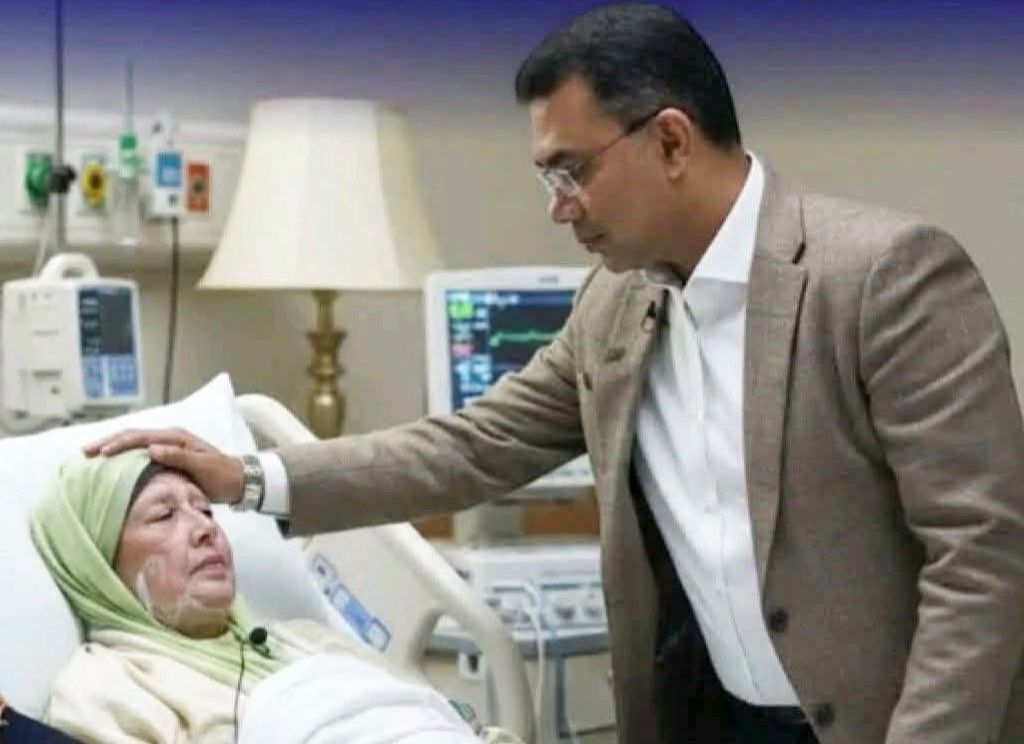
Meanwhile, Chairperson Begum Khaleda Zia's illness has also added a new dimension to the political reality. Tarique Rahman is practically performing the duties of the party's main leadership due to her physical condition. With the upcoming 13th National Parliament elections ahead, the visibility of this leadership is an opportunity for BNP on the one hand, and a big responsibility on the other. The leaders and activists expect that through his return, the party will get new enthusiasm and new public support will be organized for the paddy sheaf across the country.
A large part of Tarique Rahman's political life has been burdened by repression and lawsuits. The memory of imprisonment and torture during the military-backed caretaker government is an integral part of his political identity. How he will come back from that experience and make democratic politics more inclusive and tolerant is the big question now.
All in all, Tarique Rahman's return to his homeland is a significant moment in Bangladeshi politics. If it moves towards dialogue, reform and democratic practices instead of the politics of revenge, then it can really bring a kind of good wind to the country's politics. Now it remains to be seen whether this return is limited to a wave of emotions or becomes the beginning of real political change.
Author: James Abdur Rahim Rana
Senior media worker, writer and columnist
Copyright @ 2025 EN-JUGANTOR PRATIDIN
 প্রিন্ট করুন
 সেভ করুন