
Nasirnagar (Brahmanbaria) Correspondent:
Public life has been severely disrupted due to the outbreak of severe cold in Nasirnagar of Brahmabaria. The intensity of the cold has increased in the past few days due to dense fog and icy winds, severely disrupting the normal life of the common people. Especially from early morning to morning, the bone-chilling cold has brought public life to a standstill.
Due to dense fog, traffic on roads and waterways is being disrupted.
Due to fog from morning to evening, vehicle movement is becoming risky. Due to this, school and college-going students, office-going people and various professionals are facing extreme hardship. Low-income people, daily wage workers, rickshaw pullers, van drivers, children in prison and the elderly are suffering the most in this outbreak of cold. Due to the reduction in work opportunities, many daily wage workers are not able to earn a proper income. Due to the lack of adequate winter clothes, many poor and helpless people are forced to spend the night under the open sky or wearing torn cloths.
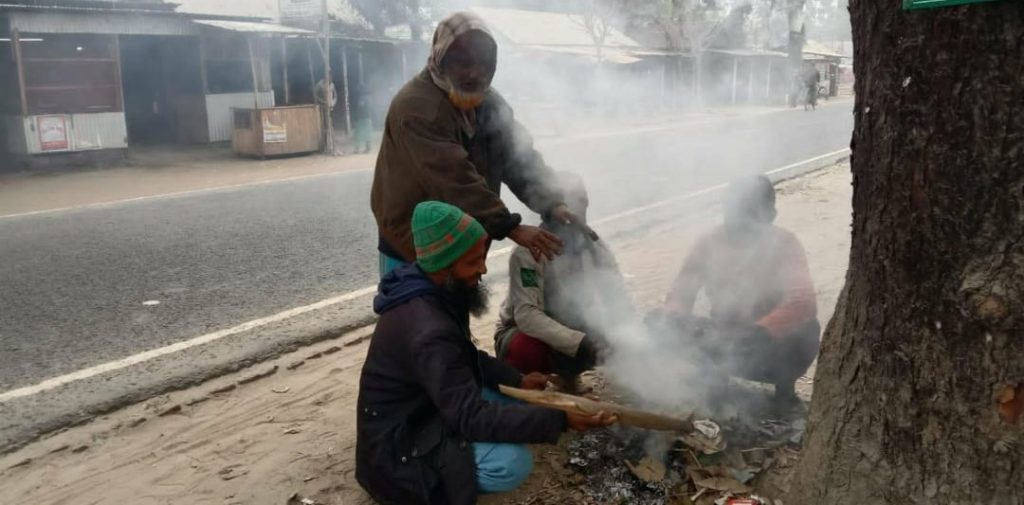
Meanwhile, the number of people affected by winter-related diseases is also increasing. Local health workers said that children and the elderly are especially suffering from various diseases including cold, cough, fever. Due to the severe cold, the crowd in various markets of the upazila has decreased in the morning. Traders said that due to the cold, the number of buyers has decreased drastically. Farmers are also afraid of losses due to the severe cold. There may be an adverse effect on winter vegetables and seed beds.
Local residents have called on the upazila administration and the wealthy people of the society to come forward to quickly distribute winter clothes to stand by the poor and helpless people in the cold. According to them, standing by the helpless people in this severe cold is the need of the hour.
Meanwhile, according to the Meteorological Department, the intensity of the winter may increase further in the next few days and there is a possibility of a further decrease in night temperatures.