
Dhaka-Beijing Strategic Partnership Geopolitics and National Interests
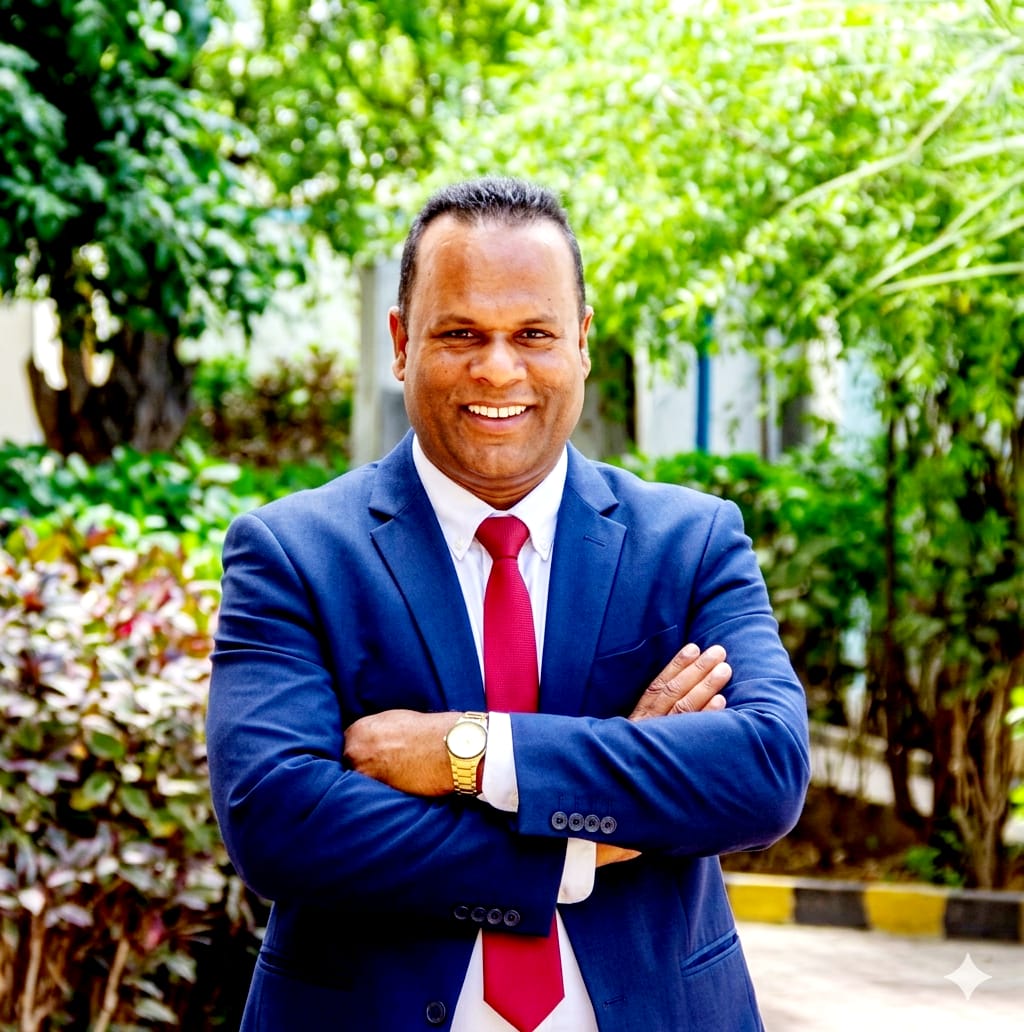
Prof. Dr. Asif Mizan, Vice-Chancellor, University of Dar es Salaam, Somalia and International Politics Analyst.
The recent four-day (June 22-26, 2026) historic visit to China by Mr. Tarique Rahman, the newly elected Prime Minister of the People's Republic of Bangladesh and Chairman of the Bangladesh Nationalist Party (BNP), is a landmark milestone in the geopolitics of South Asia and the contemporary international diplomatic landscape. This was his second bilateral foreign visit after assuming the important responsibility of running the state through the general elections in February 2026. This visit not only revived the traditional friendship between the two countries, but also elevated the Dhaka-Beijing relationship to a deep, theoretical and far-reaching 'Comprehensive Strategic Cooperative Partnership' in the multifaceted global reality of the 21st century. The Bangladesh Prime Minister's summit meeting with Chinese President Xi Jinping and Premier Li Keqiang at the Great Hall of the People in Beijing and the highly prestigious 'red carpet' reception prove how strong and undeniable the acceptance and geostrategic importance of Bangladesh's new leadership on the world stage are.
Institutional Depth: 17 Treaties and the Importance of Party Diplomacy:
Analyzing from the neo-realist perspective of international politics, it can be seen that the foreign policy of states is mainly driven by the equation of national interests, protection of sovereignty and economic security. A total of 17 bilateral Memoranda of Understanding (MoU) and agreements have been signed during the Prime Minister's visit, which will mainly accelerate the pace of Bangladesh's internal economic transformation and structural development.
The strategic arrangement of the signed documents is as follows:
Ministerial-level agreements (M2M):
Out of the total 17 documents, 13 were signed directly between various ministries and government agencies of the two countries, which will institutionalize bilateral cooperation by removing bureaucratic complications.
Outline of direct investment:
Three MoUs were signed between the Bangladesh Investment Development Authority (BIDA) and leading Chinese industrialists. This will create a new wave of foreign direct investment (FDI) in the country.
Party-to-Party Diplomacy:
The most notable and theoretically significant aspect is that a MoU was signed at the political party level—between the ruling Bangladesh Nationalist Party (BNP) and the ruling Communist Party of China (CPC). This 'party-to-party' diplomacy has given a unique height to the long-term mutual trust and strategic understanding in the policy-making circles of the two countries.
New Equation of Economic Diplomacy and Regional Connectivity:
Economic diplomacy scholars and political society are closely observing the impact of China's 'Belt and Road Initiatives' (BRI) and 'Global Development Initiatives' (GDI) on the contemporary global economy. Mr. Tarique Rahman's visit has ensured cooperation in highly visionary areas such as digital economy, green energy or green development, banking and insurance sectors, and modernization of information technology (incorporating elements of artificial intelligence and the Fourth Industrial Revolution).
The Beijing talks called for the rapid implementation of the trade deficit reduction, utilizing Bangladesh's geographical advantages in the industrial relocation process in China, and establishing a Special Economic Zone (EPZ) or dedicated industrial zone for China at Mongla Port and Anwara in Chittagong.
Human Resources and Trade Expansion:
At the same time, the signing of a quarantine protocol for the export of agricultural products, especially jackfruit and mangoes from Bangladesh, and two separate memorandums of understanding on the development of technical and vocational education (TVET) are a reflection of the state's determination to transform Bangladesh's vast youth population into skilled human resources. A wonderful economic coordination of the new Bangladesh government's "Bangladesh Comes First" policy with China's 15th Five-Year Plan is one of the main theoretical foundations of this visit.
Geopolitics, River Management and Strategic Balance:
The most talked about and geostrategic aspect of this visit is Bangladesh’s Teesta River Integrated Management and Restoration Project (TRCMPR) and cooperation in the defense sector. Beijing has unequivocally announced that China will fully support Bangladesh in implementing its long-desired Teesta Master Plan and river management with its experience, technical capabilities and financial contributions.
The underlying concerns of geostrategic competitors in international geopolitics regarding the Teesta project were made clear by the statement of the Chinese Foreign Ministry spokesperson:
“China-Bangladesh cooperation is purely bilateral and does not target any third party, so it should be free from interference by any third party.”
This is a major diplomatic victory for Bangladesh’s state sovereignty and independent and independent foreign policy.
Moreover, the decision to launch the ‘Two Plus Two’ (2+2) strategic dialogue mechanism between Bangladesh and China, comprising high-ranking officials from the Ministries of Foreign Affairs and Defense, for the first time, is a groundbreaking step. It proves that Dhaka is being valued by Beijing not only as a recipient of economic aid, but also as a key partner in regional security and stability in the Indo-Pacific region. The reiteration of China’s multifaceted mediation role in the dignified and sustainable repatriation of the Rohingya crisis will also have a very positive impact on Bangladesh’s national security.
A Historical Assessment: ‘Balancing Act’ and the Precedence of National Interest:
As a political scientist and analyst of international politics, I believe that Prime Minister Tarique Rahman’s visit has given a new dynamic dimension to the traditional equation of Bangladesh’s foreign policy—“friendship with all, hostility with none.” Arriving in Beijing after the end of the Malaysia visit and projecting its position as one of the leading voices of the Global South is a sign of very well-planned diplomatic wisdom.
Rather than falling into the geopolitical vortex between global superpowers or into any particular bloc, Bangladesh has prioritized its own internal imperatives, economic recovery, job creation, and climate diplomacy. This is essentially a successful ‘strategic balancing act’.
Chinese President Xi Jinping’s indelible statement—“No matter how the world situation changes, China will always stand by Bangladesh to protect its independence, sovereignty, and territorial integrity and against external interference”—provides a huge psychological and strategic strength in terms of our national security.
Prime Minister Tarique Rahman MP’s four-day historic visit to China and the 17 MoUs signed are not just paper documents; This is essentially a visionary outline for achieving economic self-reliance and maintaining Bangladesh's geopolitical status. This diplomatic initiative, undertaken with statesmanlike wisdom and giving utmost priority to national interests, will establish Bangladesh as a key player in global politics and the South Asian economy in the coming days—an expectation that is reasonable and well-founded by all.
Copyright @ 2025 EN-JUGANTOR PRATIDIN
 প্রিন্ট করুন
 সেভ করুন