
Deep disappointment with the activities of the National Consensus Commission and the role of the government
Dhaka Correspondent:
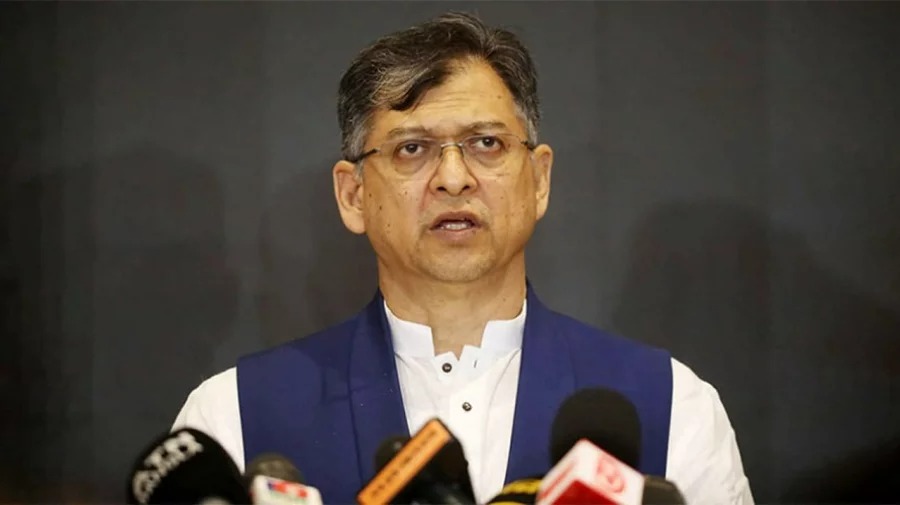
The Bangladesh Nationalist Party (BNP) has expressed deep disappointment over the activities of the National Consensus Commission and the role of the government. Salahuddin Ahmed, a member of the party's standing committee, has alleged that the commission is trying to forcefully impose the proposals of a few political parties. He also commented that this will not create consensus, but rather create division in the nation.
He made these comments at a seminar at Hotel Lakeshore in Gulshan, the capital, on Wednesday (October 29).
BNP policymakers, politicians, civil society representatives, and media workers were also present at the seminar.
Salahuddin Ahmed said, "We did not fully receive the recommendations regarding the implementation of the July Charter in the document signed on October 17. Rather, it appears that a referendum proposal has been made on the 48-point issue - but there was no discussion with us about it. This is a unilateral decision, which questions the main purpose of the commission."
He further said, “The primary objective of the commission was to establish national unity. But the proposal they have made will increase disunity instead of unity. The nation will be divided. We do not understand what they want to achieve through this. The recent actions of the commission and the government have become a source of deep disappointment for us.”
The BNP leader alleged that the party views were not properly reflected in the commission’s documents and recommendations. He said, “The proposals on which there was supposed to be consensus have been practically ignored. Rather, the commission and one or two parties have imposed their own views. This is not democratic behavior.”
Salahuddin Ahmed expressed his strong anger at the government regarding the amendment of the RPO (Representation of the People Order) and the use of the alliance symbol. He said, “Now it is being said that the allied parties will have to be elected on their own symbols—this is a completely undemocratic decision. Earlier, each alliance could use its own or the alliance symbol according to its convenience. But now the government has imposed a specific method, which is anti-democratic and biased.”
He further said, “I saw that another political party is supporting this undemocratic position of the government. We did not expect this. If the government really wants to play the role of a caretaker government, they will have to behave impartially. But so far we have not seen any such indication.”
Salahuddin Ahmed finally expressed hope that both the government and the commission will respect the opinions of the people and will take the initiative to form a truly popular national consensus.
A new debate has arisen in the political arena surrounding the National Consensus Commission. BNP believes that the current steps of the commission can lead the nation to the path of division instead of unity. Now the focus of the political circles is how the government and the commission will smooth the path of this dispute.
Copyright @ 2025 EN-JUGANTOR PRATIDIN
 প্রিন্ট করুন
 সেভ করুন